
Oh yes, please — function, form and style.
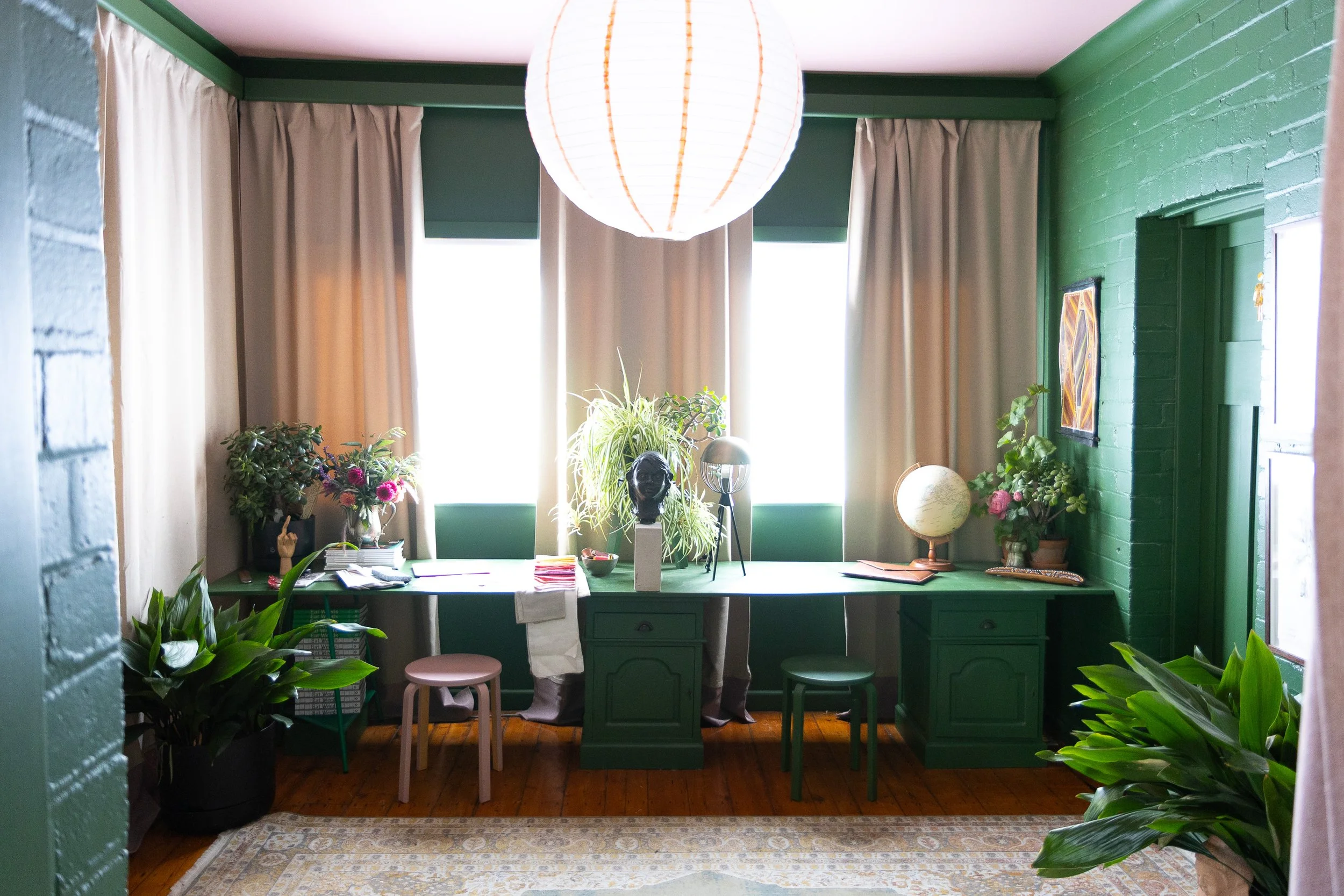
Sustainability has certainly become one of the most talked-about topics of the last decade. Yet, amid all the glossy marketing and eco-buzzwords, it can be hard to know what’s truly green and what’s just greenwashing. As consumers, we’re left wondering which products actually support the planet — and how we can make our homes genuinely healthier for ourselves and our environment.
Working in the design industry for many years, I’ve seen both the best and the worst of “eco-friendly” claims. But it wasn’t until I completed two permaculture design courses that I began to understand how sustainability can extend beyond our gardens and into the very heart of our homes.
True permaculture isn’t simply about composting or growing your own herbs; it’s a way of designing spaces — and lives — that allow people, communities, and ecosystems to thrive together.
What Is Permaculture?
Permaculture is an ecological design system that aims to create sustainable human habitats by mimicking natural ecosystems. Developed in the 1970s by Australian ecologists Bill Mollison and David Holmgren, it emerged as a response to the damaging effects of conventional agriculture on the environment.
At its core, permaculture is about working with nature rather than against it — observing how natural systems balance themselves and applying those principles to human living. Since its beginnings, the philosophy has evolved well beyond farming and gardening to influence architecture, community planning, and interior design.
In the home, permaculture design encourages the harmonious integration of people and place. It promotes efficient use of resources, waste reduction, and closed-loop systems — all while nurturing comfort, beauty, and wellbeing.
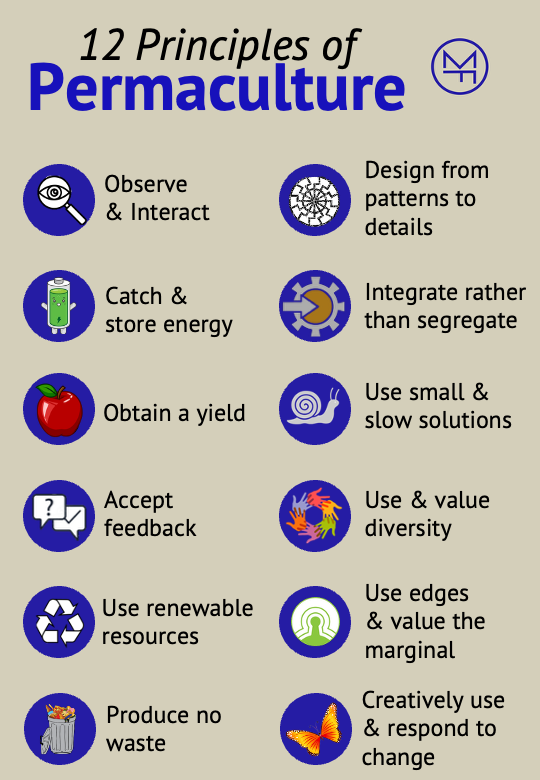
Designing with Nature in Mind
So what does permaculture look like in an interior setting? Imagine spaces that not only function beautifully but also support natural rhythms — homes that breathe, nourish, and adapt. Start with observation: understanding the way light moves through your space, how air circulates, where warmth is needed, and where waste occurs. These small insights can inspire changes that make your home more energy-efficient and comfortable.Then, consider materials. Choosing natural, low-toxicity options like timber, bamboo, wool, and limewash paints. Sourcing locally or second-hand, repurposing rather than replacing, and prioritising longevity over trends are all expressions of permaculture thinking.
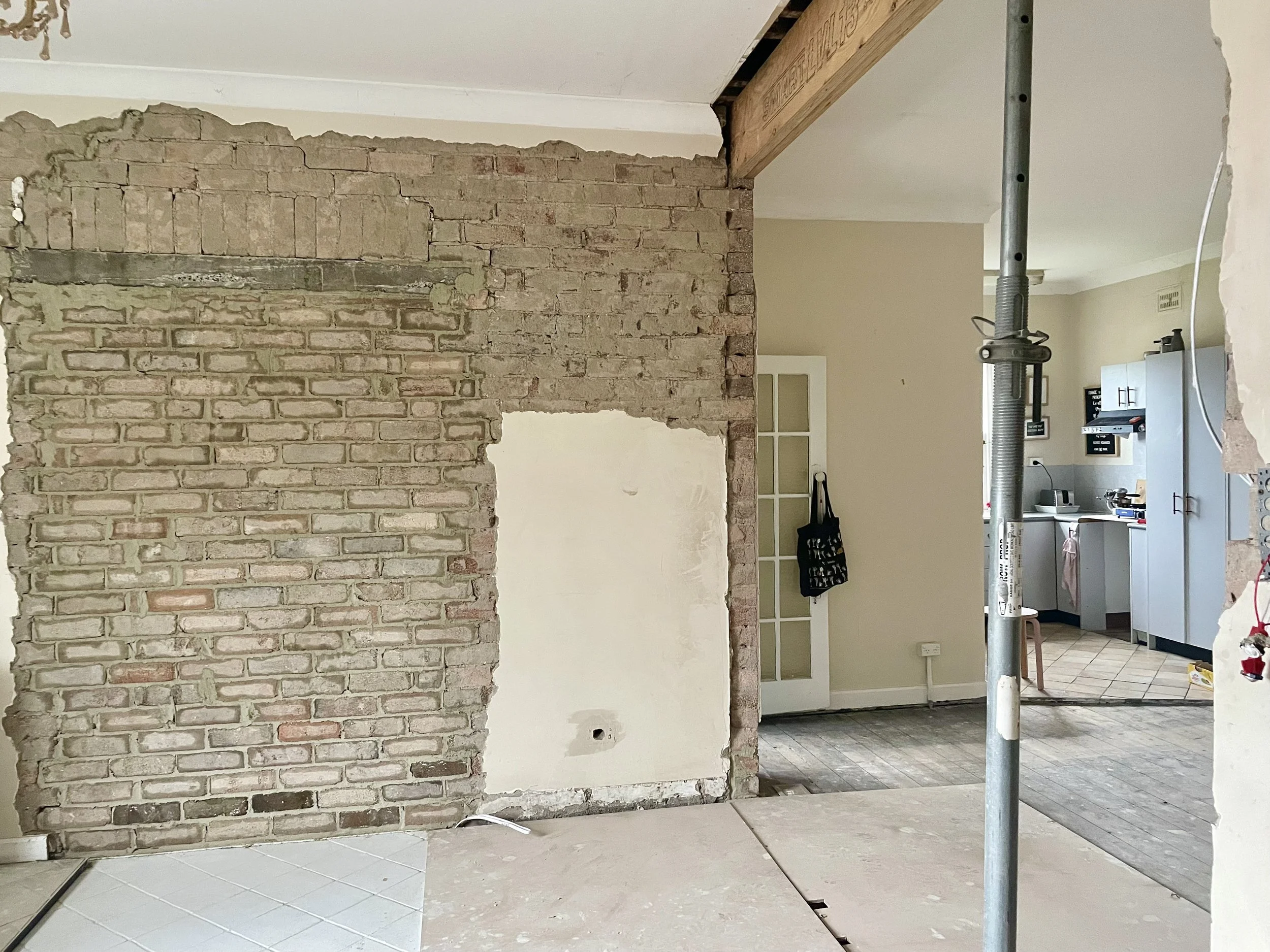
We’ve lived in our home for almost 4 years before starting our renovations, (Principles - Observe + Interact, Accept Feedback). Getting to know the light, the flow of the house and how it cools and heats, were all important things to understand when re-designing, (Principle - Catch + store energy). We cleaned and re-used bricks from the knocked through living room wall to brick up three unesseccary doorways, and will re-vitalize an intact solid timber floor hidden for decades beneath layers of unsightly flooring choices, (Principles - Use renewable resources + Produce no waste). Re-use not only saves money and materials, it is a way of leaning into and honouring a homes history, (Principle - Creatively use, and respond to change).
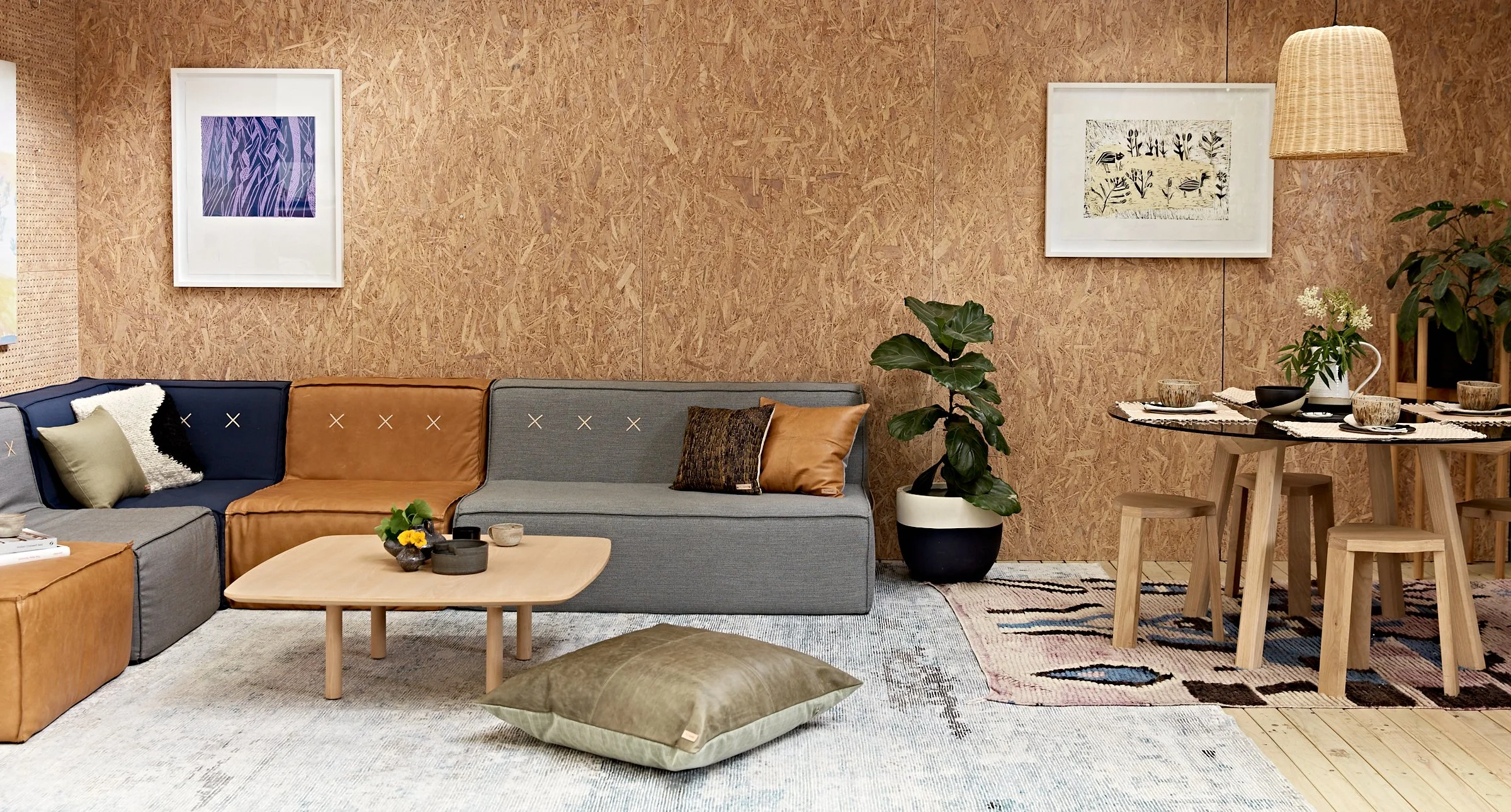
Sourcing from Bcorp companies like Koskela ensures you’re buying ethical, sustainable furniture and homewares and supporting local economy and community.
A System That Sustains Itself
One of the key principles of permaculture is the idea of closed-loop systems — where waste becomes a resource. In an interior context, this could mean composting kitchen scraps to feed your garden, using greywater for plants, or upcycling furniture instead of sending it to landfill. Even small actions, when thoughtfully connected, create a ripple effect of resilience. Think of your home as its own mini-ecosystem: every element should serve a purpose and support the whole. A well-designed kitchen layout that minimises movement and energy use, or a cleverly ventilated bathroom that reduces mould and moisture — this is permaculture in action.
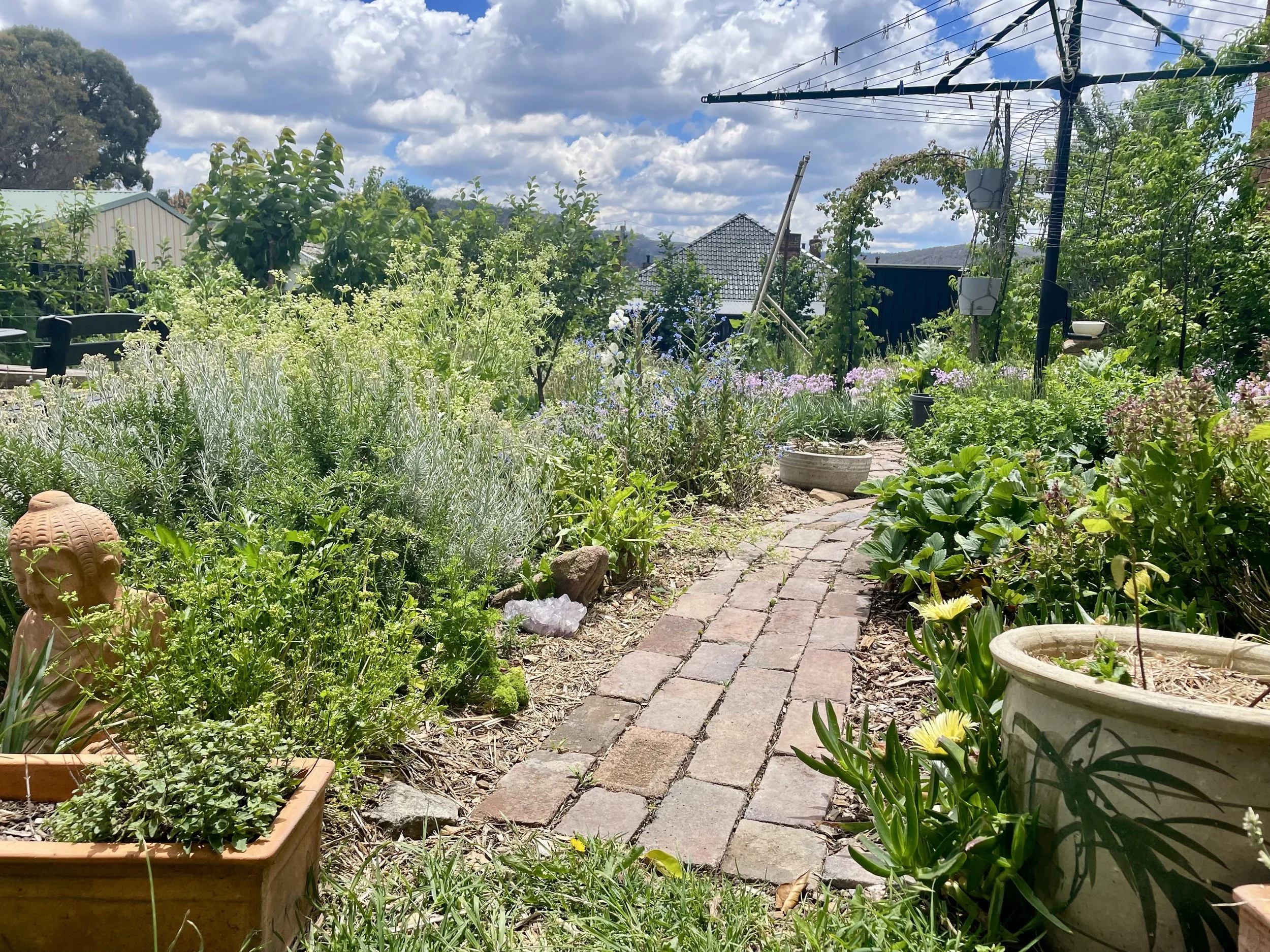
Our garden nourishes both soul and body. We don’t use our green council bin or send any green ‘waste’ off site because all food and plant scraps go directly into our various composts to grow new soil, feed worms and create nutrient rich organic matter, all vital ingredients to grow delicious herbs, fruit and vegetables. Garden paths were created using bricks dug up around the garden. Its hard to believe this was just lawn 3½ years ago. Every year we see a an increase in healthy insect and bird diversity and the garden has become a sanctuary of calm and connection for us.
Beauty with Purpose
Permaculture doesn’t sacrifice style for sustainability. In fact, it celebrates it. By blending natural textures, organic forms, and seasonal palettes, interiors can feel both grounded and inspiring. Spaces designed with intention tend to feel right — there’s a quiet harmony that comes from living in alignment with nature’s colours and patterns.
A woven rug underfoot, sunlight filtering through sheer linen curtains, a lush indoor plant thriving in recycled pottery — these details are more than aesthetic choices. They’re daily reminders that good design can be both restorative and regenerative.

Locally crafted furniture, preloved wool rugs, linen curtains and handmade pottery. Yes Please!

Locally designed and produced wall papers and fabrics by The Papered room by Kate Swinson, are my go to for unique, sustainable walls and upholstery.
Where to Begin
Creating a “clean, green” home doesn’t require a full renovation or an endless budget. Start simply:
• Observe before acting. Notice how you use your space, where energy or water might be wasted, and where you can make small, lasting improvements.
• Choose materials wisely. Opt for natural fibres, low-VOC finishes, and quality pieces designed to last.
• Think systems, not single solutions. Connect your choices — compost feeds your herbs, herbs flavour your meals, food scraps return to build soil.
• Design for community. Swap cuttings, share surplus, and collaborate. Permaculture thrives on connection, not isolation.Sustainability isn’t sterile or restrictive, dirty, hippy or hard. When approached through the lens of permaculture, it becomes creative, nourishing, and deeply human. Our homes can be more than beautiful — they can be living systems that sustain us and the world around us. After all, good design isn’t just about how something looks. It’s about how it lives.
Here are some great resources if you’d like to learn more about permaculture:
Permaculture Australia - Info, events, directory.
Permaculture Matters, Katoomba - Fellow Lithgow permaculture course graduates (I’m also a course contributor).
Online: Milkwood - Gorgeous humans doing awesome things. Do yourself a favour and sign up to receive their newsletter or do one of their courses. FAB content.
And a must watch for inspirational permaculture living - The New Peasants. A fab film by our fab friends Artist as Family
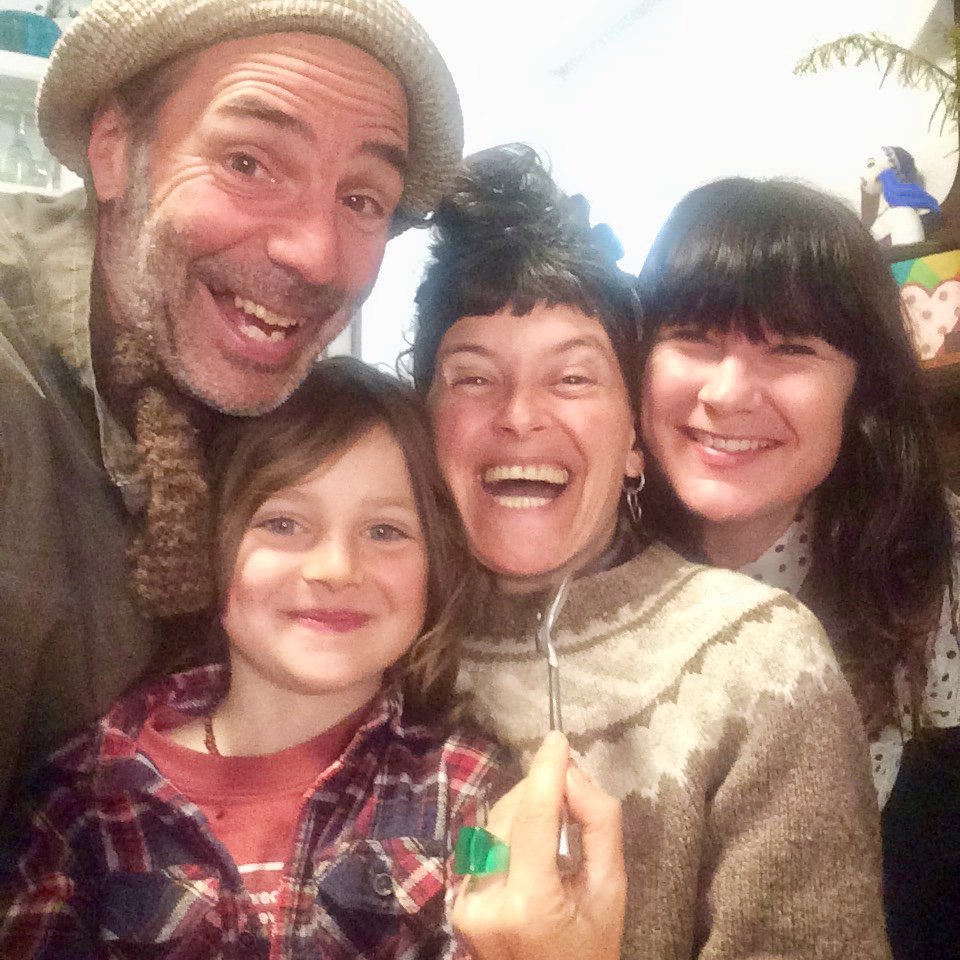
A visit from Meg, Pat and Woody, ‘Artist as Family’ back in 2018. These ever inspiring humans truly raised the bar for me when it comes to creating ‘home’ after visiting their quatre acre permaculture haven in Daylesford a couple of years earlier. Complete with sauna, a guest tiny house and an abundance of organic food, I was blown away by how beautiful and inviting the place was. I had previously beleived that permaculture = messy/hippy/style-less. They utterly proved me wrong. And don’t get me started on their underground pickle and preserve pantry! OBSESSED!
Fancy a Wild Food adventure with me?
Last but not least, as I wrap up design work for the year (only to push through with my own home reno’s), I’ve made time for one more Foodies Forage adventure.
This one takes place on Sunday December 14th in beautiful Coledale only an hour or so from Sydney, (Foodies Forage Katooba already sold out). If you’re interested in gifting ‘pickled seaweeds’ this xmas or making ‘wild cocktail syrups’ for your seasonal soiree, get your tickets now!
I hope the seeds of sustainability find their way into your gardens, homes and lives. xxxx